Charles Howenstine DDS | The Difference Between a Deep Cleaning and a Regular Cleaning
Charles Howenstine DDS
Charles Howenstine DDS frequently explains this distinction to patients because the terms are often confused, and the clinical difference is significant. A regular cleaning and a deep cleaning are not variations in intensity. They address different disease states.
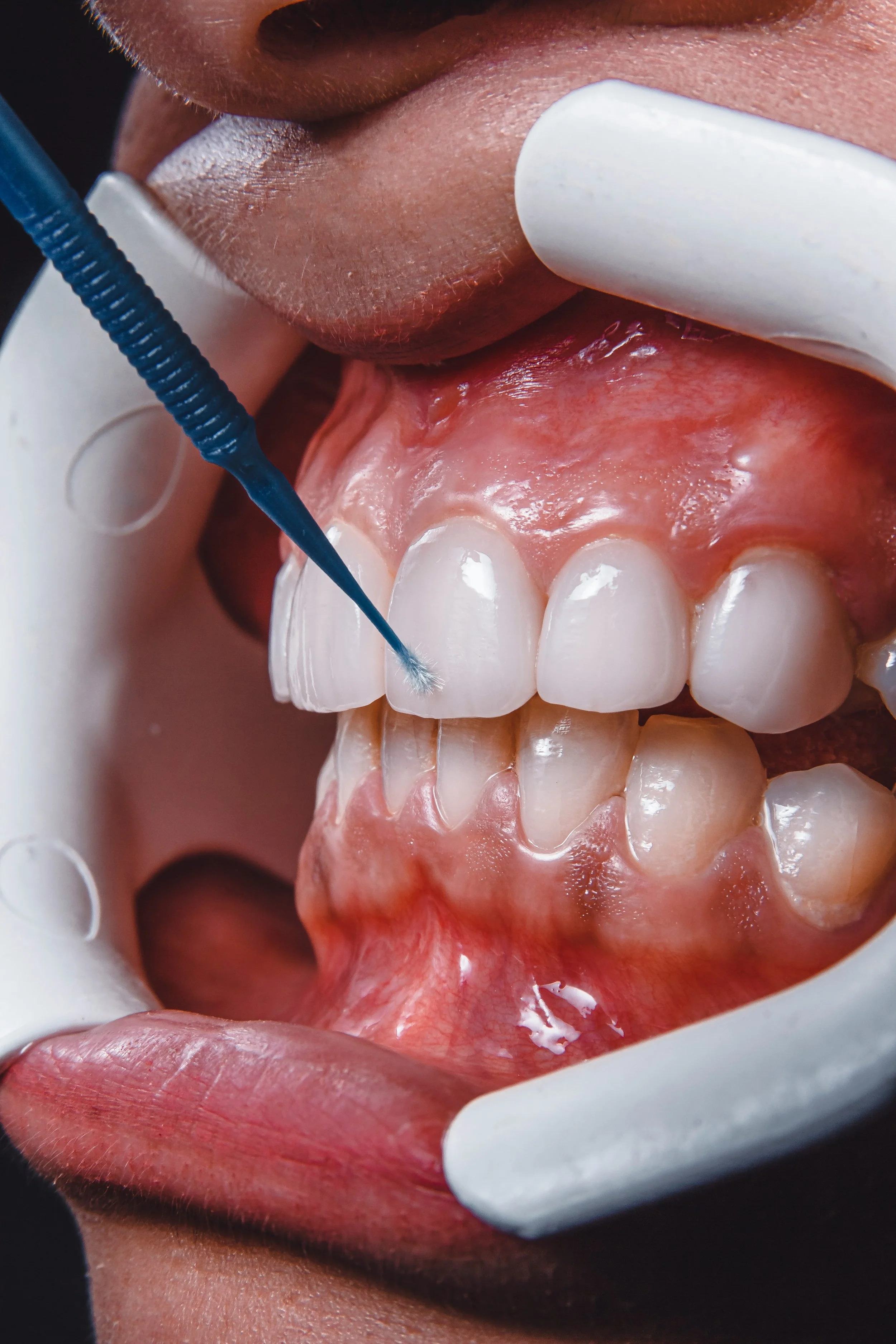
A regular cleaning, technically called a prophylaxis, is appropriate for patients whose gums are healthy or have only mild, reversible inflammation. It removes plaque and calculus from the visible tooth surfaces and just beneath the gumline. It is a maintenance procedure for patients whose disease has either not developed or has been kept arrested through consistent care.
A deep cleaning, or scaling and root planing, is a therapeutic procedure for patients who have active periodontal disease with pocketing and bone loss. In this condition, bacterial deposits have accumulated below the gumline in deepened pockets that form as the gum tissue detaches from the tooth. These pockets cannot be adequately cleaned through a standard prophylaxis or through home care.
Scaling removes hardened calculus from the root surface within those pockets. Root planing smooths the root surface to discourage bacterial reattachment and encourage the gum tissue to reattach more firmly. The goal is to arrest the disease process and create an environment where regular maintenance can keep it stable.
Charles Howenstine DDS notes that after a deep cleaning, patients typically return at shorter intervals for periodontal maintenance visits rather than standard cleanings. These visits are more targeted toward the areas where disease was present and help ensure that arrested inflammation does not reactivate.
Understanding this distinction helps patients recognize when a recommendation for a deep cleaning reflects a clinical finding rather than a billing decision. Patients who have been told they need a deep cleaning but are unsure why should ask to see their pocket depth measurements and x-rays. The numbers and images provide objective evidence of disease activity that supports the recommendation.