Charles Howenstine DDS | The Role of Diagnostic Technology in Preventive Dentistry
Charles Howenstine DDS
Charles Howenstine DDS views diagnostic technology as one of the pillars of preventive dentistry, noting that the tools used to identify a problem are often just as important as the treatment that follows.
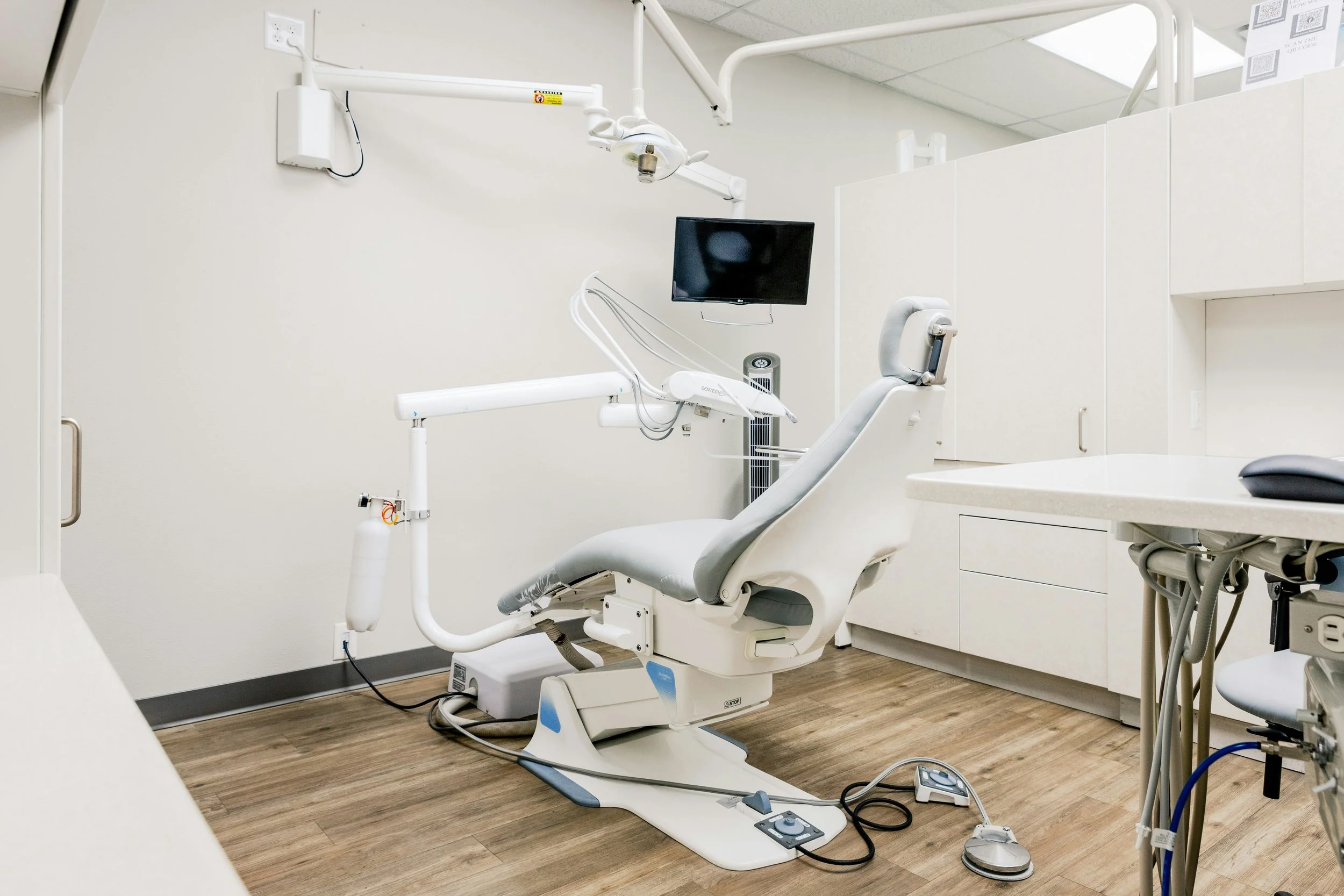
Improvements in imaging have significantly changed how early dental issues can be identified. Digital x-rays reveal decay between teeth and underneath existing restorations well before it would be visible on a standard exam. Intraoral cameras let patients see exactly what the dentist sees, which supports clearer conversations about treatment options. Even smaller advances, like improved lighting and magnification, help catch details that might otherwise be missed until they progress further.
According to Charles Howenstine DDS, the real value of diagnostic tools comes down to how they shape decision-making. Identifying an issue earlier only matters if it opens up more conservative treatment options than would have existed later. That's what makes investment in strong imaging and exam technology worthwhile.
There's a common assumption that more diagnostic technology leads to more treatment. Charles Howenstine DDS explains that the opposite is usually true. Better diagnostics tend to result in smaller, more targeted interventions, since problems are identified and addressed while they're still minor.
This is the underlying logic of preventive dentistry: stronger diagnostics support earlier decisions, earlier decisions support simpler treatment, and simpler treatment supports better long-term outcomes for patients.