Charles Howenstine DDS | What to Know About Dental Care During Pregnancy
Charles Howenstine DDS
Charles Howenstine DDS explains that pregnancy is a period when oral health deserves particular attention, and that many patients are uncertain about what dental procedures are safe during pregnancy or how pregnancy affects their oral health. Both questions have clear answers that should inform care during this period.
Pregnancy causes hormonal changes that significantly increase gum sensitivity to bacterial plaque. The result is a condition called pregnancy gingivitis, characterized by exaggerated inflammation, bleeding, and tenderness even in patients who have historically had stable gum health. This inflammation can be kept arrested with diligent hygiene and professional cleaning, but it requires attention. Left unmanaged, it can progress.
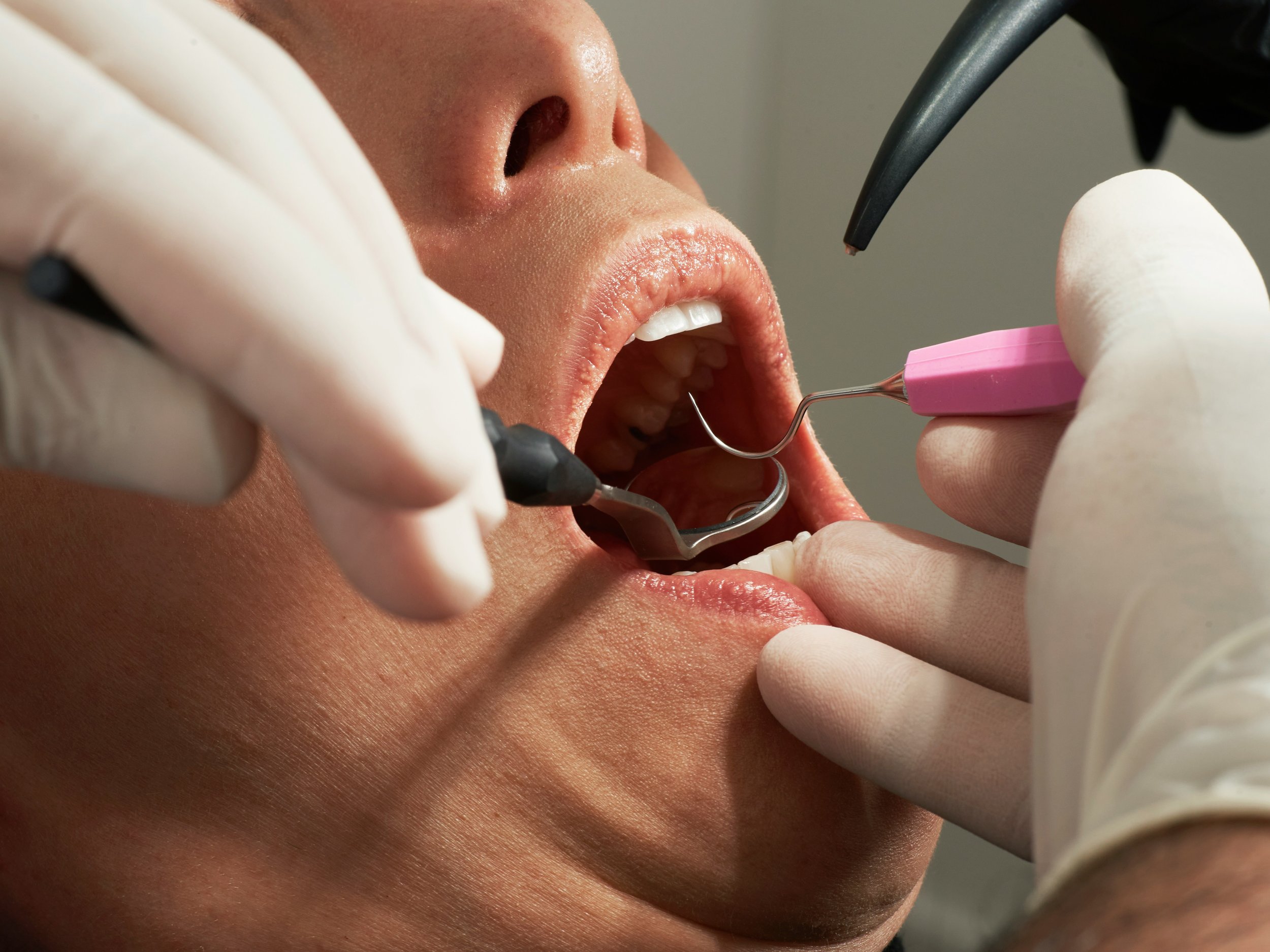
Routine dental care, including cleanings, exams, and x-rays with appropriate shielding, is considered safe throughout pregnancy. The American Dental Association and the American College of Obstetricians and Gynecologists both support continuing preventive dental care during pregnancy. Delaying necessary treatment to avoid dental visits can lead to conditions that become more difficult to manage and require more intervention.
The second trimester is generally the most comfortable period for routine treatment. Local anesthesia with epinephrine is considered safe and is preferable to leaving patients in pain or allowing infection to go untreated. Elective procedures are typically deferred until after delivery when possible, but urgent or necessary treatment should not be postponed based on pregnancy alone.
Charles Howenstine DDS notes that there is research suggesting associations between untreated periodontal disease and adverse pregnancy outcomes including preterm birth and low birth weight, though the evidence for causation remains under study. Regardless of that specific question, maintaining oral health during pregnancy is important for the mother's overall wellbeing.
Patients who are planning to become pregnant should schedule a dental exam beforehand to address any outstanding issues. Entering pregnancy with a stable, arrested oral health baseline is the most straightforward approach to managing the increased demands that follow.